
You're usually not searching for on demand charter flights because you woke up wanting “luxury.” You're searching because the airline option is wasting your time.
Maybe you need to leave after a board meeting runs late. Maybe your family is trying to get to a Caribbean island without turning the trip into a two-airline connection plus a long ferry. Maybe you need to visit two cities in one day and the published schedule doesn't work. In all of those cases, the biggest problem isn't comfort. It's loss of control.
That's where on demand charter starts to make sense. Not as a status symbol, but as a tool. You choose the trip, the timing, the airport, and the aircraft that fits the mission. That can save hours of dead time on the ground, reduce travel friction, and make certain itineraries possible that are awkward or unrealistic on commercial service.
The catch is that many first-time charter clients get only half the story. They hear “flexibility” and “private terminal,” but not the practical part: what drives the quote, when empty legs help, when they don't, and why route and aircraft matching matter more than expected. That's the part worth understanding before you book.
The True Cost of Inflexible Travel
A lot of travelers do the math on airfare and stop there. They don't count the hours lost to schedule gaps, security lines, missed connections, airport changes, baggage delays, or the extra car transfer from the airport the airline serves to the place they need to be.
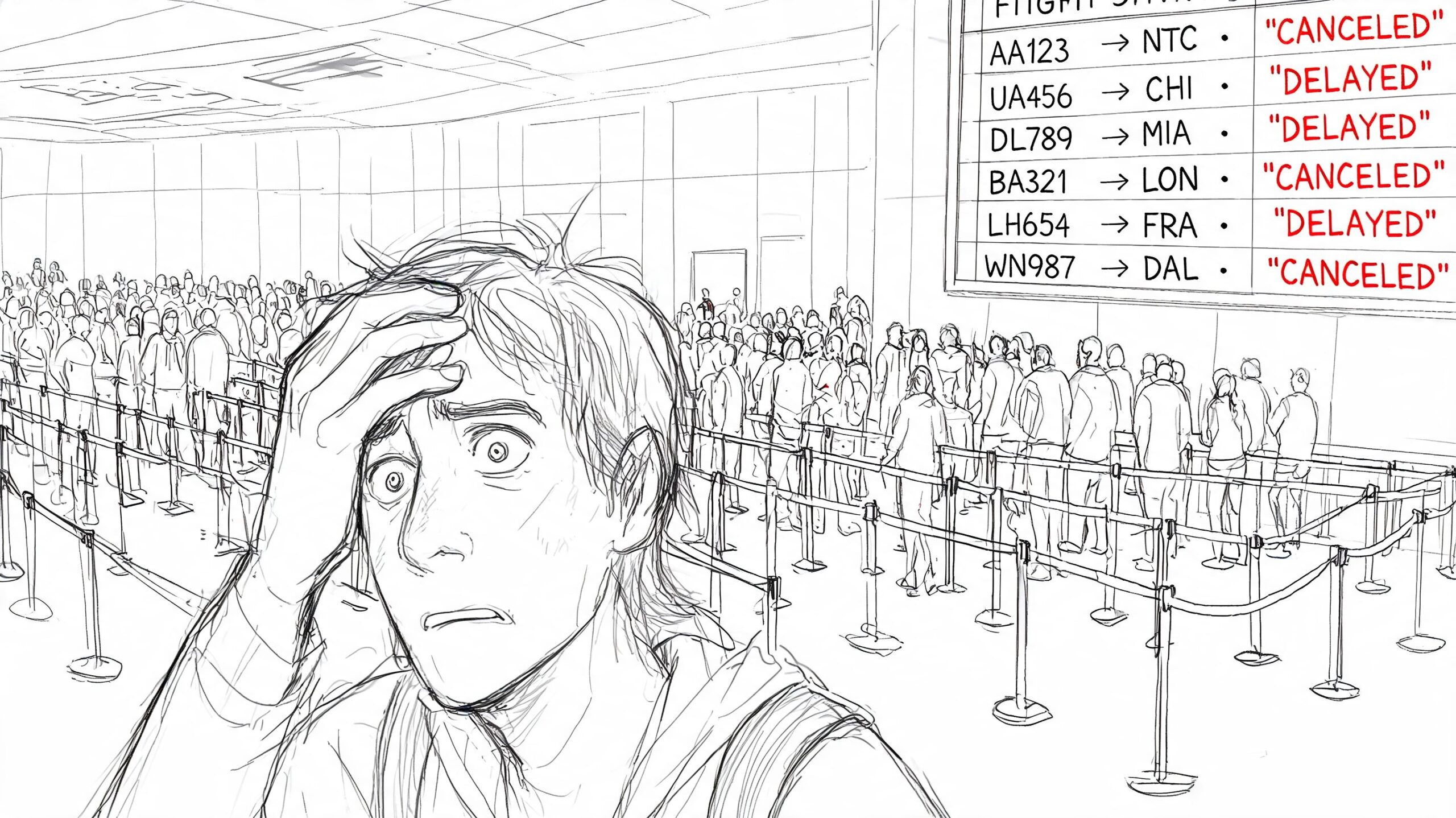
For an executive doing a multi-city day trip, that friction can kill the purpose of the trip. You don't just arrive tired. You lose usable work time, and your day gets rebuilt around the airline's schedule instead of your own. For a family, it often shows up differently. The vacation starts with a crowded terminal, rigid baggage rules, and a long arrival day that feels harder than the destination was supposed to be.
Where commercial friction hurts most
The pain is sharpest when the trip has one or more of these traits:
- Time-sensitive timing: You need to leave after a meeting, event, or appointment instead of at a published departure time.
- Regional destination: The place you're going isn't near a major hub.
- Multi-stop routing: You need two or three cities in one trip, not one out-and-back.
- Special travel needs: Pets, golf clubs, skis, presentation materials, or multiple family members all add complexity fast.
The real cost of inflexible travel is usually measured in lost hours, missed options, and avoidable stress, not just in the ticket price.
That's why many travelers who first look at charter as a premium option end up using it as a scheduling solution. If the trip matters enough, control over departure time and airport choice can be more valuable than the fare difference.
What Exactly Are On-Demand Charter Flights
A client finishes a meeting at 4:30 p.m., needs to be in another city for dinner, and wants to land close to the final destination instead of losing another two hours in a major hub. That is the kind of trip on-demand charter is built for.
On demand charter flights are private flights booked one trip at a time. You are not buying part of an aircraft, joining an ownership program, or locking yourself into a long contract. You are hiring an aircraft and crew for a specific mission, with the trip built around your schedule, your airports, and the practical needs of the people traveling.
Commercial service works on a published network. On-demand charter works more like a hired car with wings. The aircraft is arranged for the trip you need to fly, not the route an airline already planned to operate.
What the traveler actually controls
The legal distinction matters. JetLaw's overview of scheduled versus on-demand charter explains that on-demand charter involves negotiated control over one or more core trip variables, such as departure time, departure point, or arrival point.
In practical terms, that usually means control over:
- Departure timing: You request the time that fits the trip, subject to aircraft and crew availability.
- Airport selection: You can often use the airport closest to the actual destination, not just the largest airport in the region.
- Aircraft fit: The airplane is matched to the mission based on range, runway needs, passenger count, baggage, and cabin expectations.
That last point gets overlooked. A six-passenger day trip between major business airports may fit a light jet well. The same passenger count going into a short runway mountain airport with skis, winter weather, and a late-evening return can point to a very different aircraft and a very different cost profile.
What on-demand charter does and does not solve
On-demand charter gives you control, but not infinite freedom.
You do avoid the commitments that come with ownership and many membership structures. You can book a single trip, then choose a different aircraft category or operator for the next one if the mission changes. That is a big reason the model works well for travelers whose schedules are irregular or whose destinations vary.
But every trip still has operating limits. Aircraft have range limits and baggage limits. Some airports have short runways, curfews, or limited services. International trips may require customs planning and permit lead times. Crew duty rules can affect same-day multi-leg itineraries, especially if a day starts early and runs late.
This is also where first-time charter clients can save money by planning the mission correctly. The wrong aircraft choice can raise cost without adding useful capability. The wrong routing can create extra positioning time, longer ground waits, or airport fees that were avoidable with a better plan. If you want a clearer sense of how those moving parts affect quotes, this breakdown of private jet charter pricing factors is a helpful reference.
Why travelers choose this model
The value is usually not luxury by itself. It is control that has a measurable effect on the trip.
For some travelers, that means turning a two-day commercial itinerary into a same-day out-and-back. For others, it means reaching a secondary city without a hub connection, carrying specialized baggage without a fight at check-in, or keeping a family or executive team on one schedule instead of splitting everyone across airline options.
Used well, on-demand charter is a tool for buying time and reducing trip friction. Used poorly, it becomes an expensive way to fly the wrong aircraft on the wrong routing. The difference usually comes down to matching the aircraft, airports, and timing to the mission from the start.
How Booking and Pricing Works
Most first-time clients ask one version of the same question. “What am I paying for?”
That's the right question. Charter pricing isn't random, but it can feel opaque if nobody walks you through the moving parts.
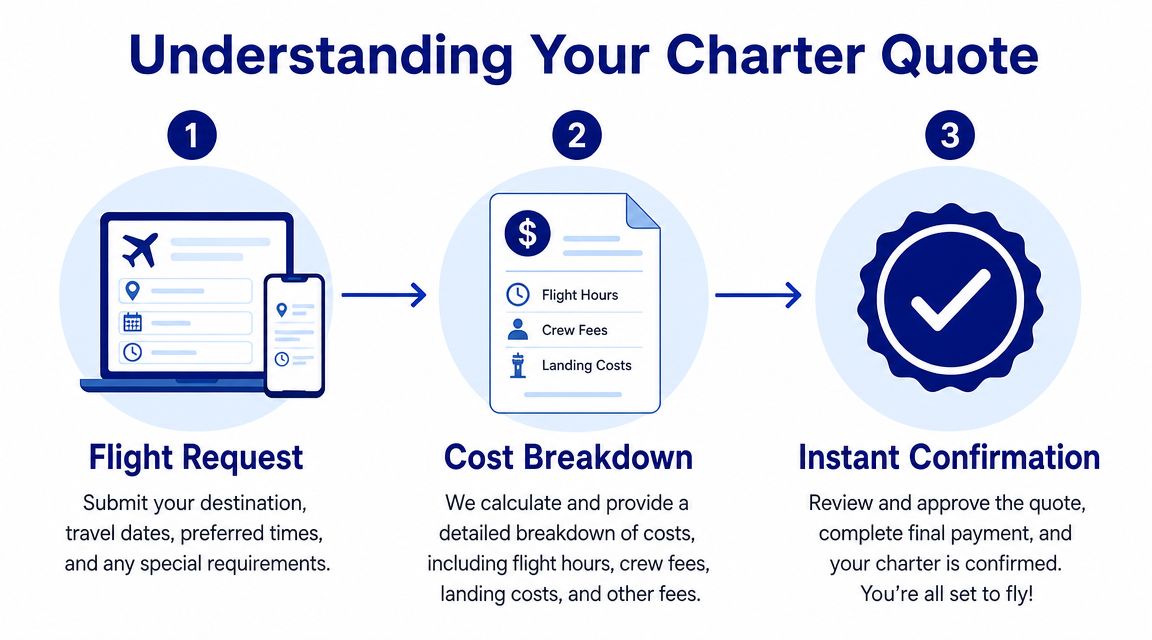
What's usually inside a charter quote
A quote commonly reflects the aircraft and the mission, not just the time you spend in the air. Depending on the trip, the quote may include some or all of these elements:
- Aircraft flight time: The basic flying portion of the mission.
- Positioning or repositioning: If the aircraft has to move into place before your departure or return elsewhere after your trip, that affects cost.
- Airport-related charges: Landing, parking, handling, and similar operational costs can vary by airport.
- Crew and overnight logistics: Multi-day trips can involve crew accommodation and related expenses.
- Trip-specific extras: Catering, ground transport, de-icing, and other requests may be separate or bundled depending on the provider.
If you want a deeper breakdown of how operators present these line items, a practical starting point is this guide to private jet charter pricing.
The part many travelers miss
One-way charter often surprises people. They assume a short direct flight means a simple low quote. Sometimes it does. Sometimes it doesn't.
If the aircraft and crew have to reposition to pick you up, or the aircraft can't stay parked efficiently where you're going, the economics change. That's why two trips that look similar on a map can price very differently.
Practical rule: Don't judge value by flight time alone. Judge it by total mission efficiency, including where the aircraft starts, where it needs to end up, and how much flexibility you have on timing.
When empty legs can help
Empty legs are repositioning flights with no passengers on board. Operators sometimes sell them because moving the aircraft empty has a cost anyway. As noted in EvoJets' explanation of empty leg flights, these flights can reduce the cost of certain one-way trips.
That said, empty legs work best when your schedule is flexible and your route lines up with what the aircraft already needs to do. They are not a reliable substitute for a mission-critical trip with fixed timing.
When charter is more sensible than it first appears
Charter tends to make the most practical sense when one or more of these are true:
- You're moving a group and comparing the trip against multiple premium-cabin airline tickets plus ground transfer time.
- The destination is inconvenient commercially, especially if you'd otherwise connect through a hub and still face a long drive.
- The day matters more than the fare. Missing a meeting, event, or family milestone is costlier than paying more for air travel.
- You need aircraft flexibility. The right answer for one trip may be different from the next.
The biggest mistake is asking for a quote with incomplete details. Passenger count, luggage volume, pets, preferred airports, and whether the trip is one-way, same-day return, or multi-day all affect aircraft choice and final price.
Comparing On-Demand Charters to Other Flight Options
On-demand charter isn't automatically the right answer. It's one tool among several, and it works best when you match it to how you travel.
The fastest way to sort the options is to compare commitment, control, and where each model tends to break down.
Travel options compared
| Travel Option | Cost Structure | Flexibility | Best For |
|---|---|---|---|
| On-demand charter | Pay per trip | High | Irregular travelers, varied missions, changing schedules |
| Jet card or membership | Prepaid or structured access | Moderate to high | Travelers who want more pricing consistency and fly often enough to use it |
| Fractional ownership | Long-term capital commitment plus ongoing costs | Moderate | Very frequent private flyers with consistent needs |
| Empty leg | Opportunistic discounted repositioning | Low | Flexible travelers who can adapt to available routes and timing |
| Commercial first or business class | Per seat fare | Low | Travelers on major routes who don't need airport flexibility or private timing |
Where on-demand charter wins
For many clients, the core benefit is simple. You buy exactly what you need for that trip and nothing more. That's especially useful if you don't fly often enough to justify prepaid programs, or if your trips vary between short regional hops, family leisure travel, and longer business missions.
There's also a structural advantage commercial service can't match. The National Business Aviation Association notes that charter operators can access more than 5,000 public-use airports in the U.S., which is more than 100 times the number served by commercial airlines, enabling more direct point-to-point travel through business aviation charter access.
That airport access changes the equation. The most useful comparison often isn't “charter versus airline seat.” It's “door-to-door mission time versus door-to-door mission time.”
Where other options may fit better
A membership or jet card may suit a traveler who wants a more standardized process and expects to fly often enough for that structure to feel worthwhile. Fractional ownership is a different category entirely. It can work for very frequent users, but it comes with a level of commitment many travelers do not want.
Empty legs sit in their own lane. They can be excellent value when they happen to line up with your plans. They're a poor choice when your trip can't move.
For travelers considering alternatives that sit between private flexibility and public booking models, this overview of public charters flight options can help frame the difference.
If your dates, airports, or passenger needs change often, on-demand usually beats rigid programs. If your travel pattern is highly repetitive, a structured program may deserve a closer look.
Safety and Operations in Private Aviation
Safety is the first serious question new charter clients ask, and it should be. A polished cabin and a fast quote don't mean much if the operator side isn't solid.
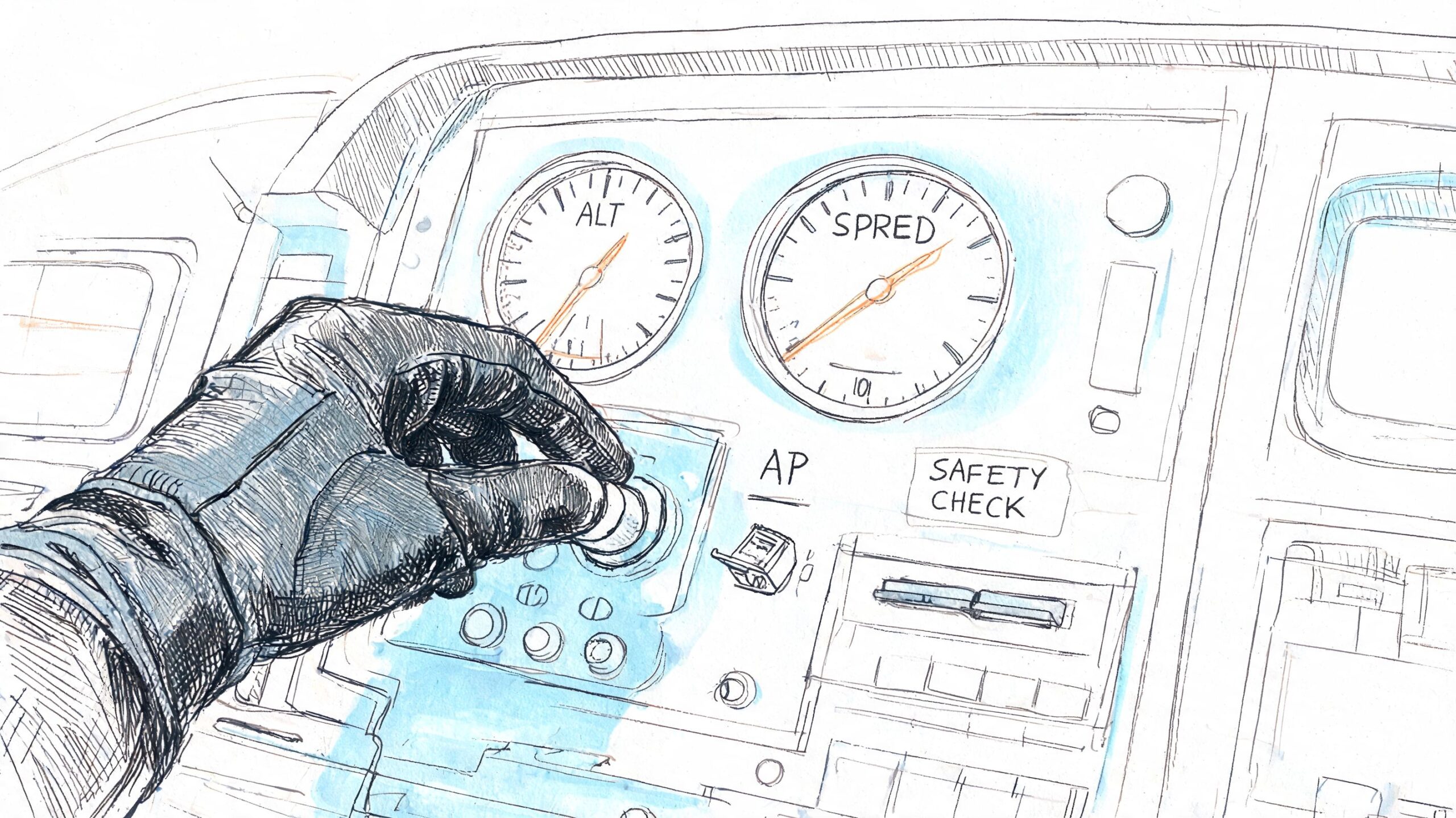
The practical standard for legitimate charter flying in the U.S. is FAA Part 135 operation. Clients don't need to memorize regulations, but they should understand what that means at a high level. The operator is conducting charter under a commercial operating framework rather than flying as a casual private arrangement.
What to verify before booking
A smart client asks for specifics, not vague reassurance. Focus on questions like these:
- Who is the actual operator? If you book through a broker or marketplace, ask which carrier will operate the trip.
- Is the flight conducted under Part 135? That confirms you're dealing with a proper charter structure.
- What safety information can you share? Reputable providers are usually clear about operator credentials and oversight.
- What terminal will I use? Knowing the departure process helps you understand the full operating picture, including the FBO.
For travelers new to private terminals, this guide to a private jet FBO is useful because the FBO experience is part of how charter differs from airline travel on the ground.
Good operators make the process boring
That's a compliment. Strong charter operations feel calm, orderly, and procedural. The trip brief is clear. The passenger details are confirmed. The aircraft match makes sense. The departure process is straightforward.
What usually creates problems isn't the concept of private aviation. It's weak coordination. Missing passport details, inaccurate luggage counts, unclear pet arrangements, and rushed international routing can all create avoidable friction.
A short explainer can help if you're new to the cockpit side of the experience:
Safety questions worth asking out loud
Ask these directly before you confirm:
- Who operates this aircraft?
- Is this itinerary straightforward for this aircraft type?
- Are there any runway, payload, or customs considerations on this route?
- What happens if weather or operational issues force a change?
The safest charter clients aren't the ones who know aviation jargon. They're the ones who insist on clear answers and complete trip details.
Who Uses On-Demand Charters and Where
A CEO needs to cover three cities in one day. A family wants to reach an island with two children, a dog, and four large bags. A wedding group needs everyone to arrive together instead of trickling in through different airline hubs. Those are very different trips, but they point to the same reason people book on demand charter flights. The schedule, routing, or cargo load does not fit airline service very well.
On-demand charter is not a niche corner of private aviation. As noted earlier, analysts at Mordor Intelligence project it will account for a majority of private jet charter revenue in 2025. That matters because it reflects how people buy charter. They book for a specific mission, not because they want the fixed cost of owning an aircraft or committing to a long membership contract.
Common real-world use cases
The user base is broader than many first-time clients expect.
- Executives with compressed schedules: Same-day out-and-back trips, multi-city meetings, and plant visits often make better financial sense by charter when a missed airline connection would cost a full workday.
- Families heading to leisure destinations: Charter becomes practical when the trip includes children, pets, strollers, ski bags, golf clubs, or a house rental far from a major airline airport.
- Groups traveling for events: Weddings, sports weekends, music festivals, and milestone trips are easier to manage when the group departs together and lands close to the final destination.
- Travelers with privacy or security concerns: Public terminals are not the right fit for every passenger. Some clients need a quieter, more controlled departure process.
- Travelers with awkward routing needs: One-way trips, open-jaw itineraries, and places with limited airline frequency are often where charter earns its keep.
Where charter tends to make the most sense
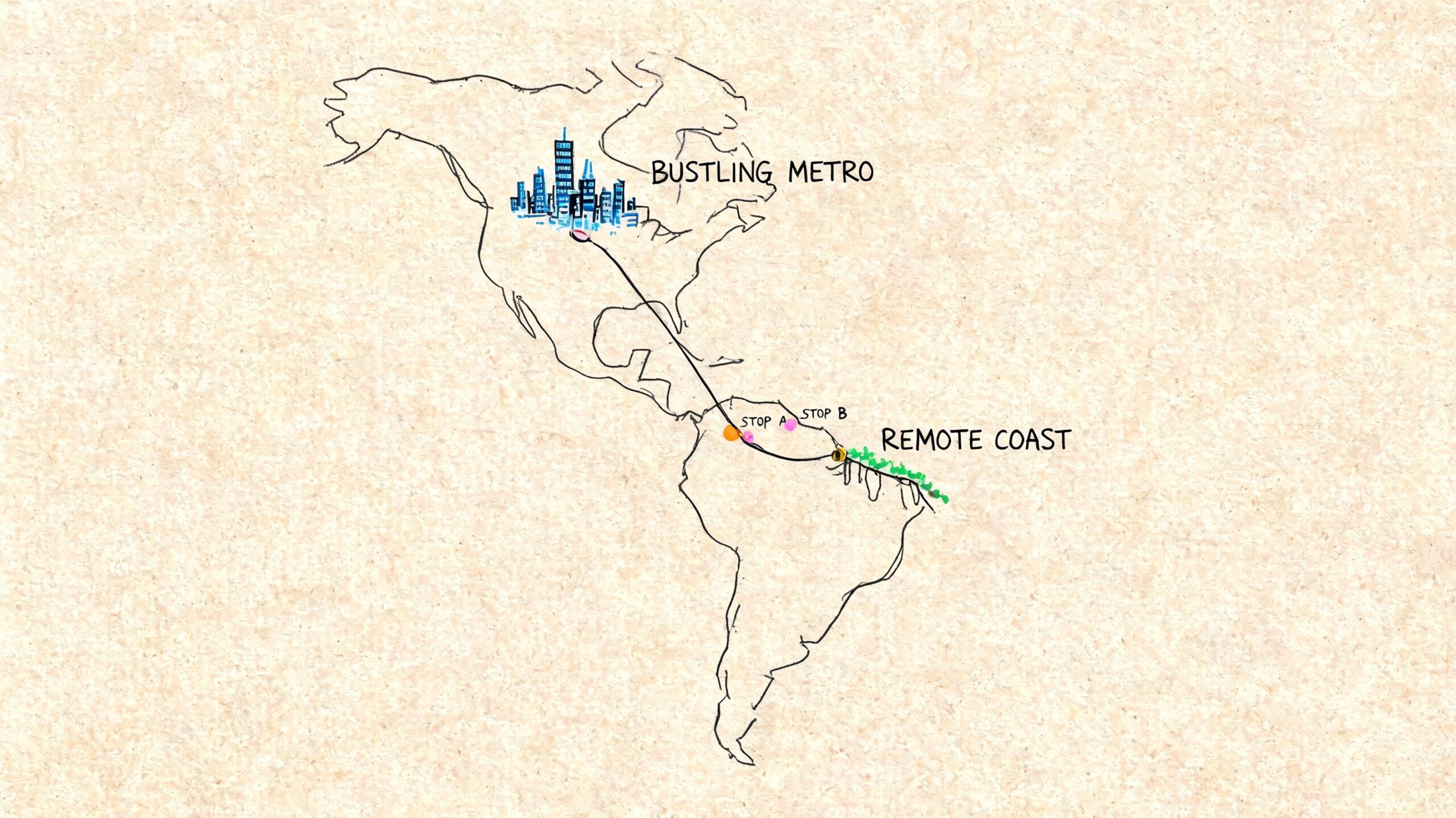
The Americas are a strong charter market for a simple operational reason. The region has a mix of major business centers, resort areas, island destinations, and smaller airports that airlines do not serve efficiently.
In the U.S., Caribbean, Central America, and parts of South America, the primary advantage is often airport choice. A traveler may save only an hour in the air, then save another three hours by avoiding a hub connection, a long drive from the airline airport, or an overnight stay created by the airline timetable.
Florida is a good example because it sits in the middle of several heavy charter flows. South Florida supports traffic to the Caribbean and Latin America. North and Central Florida also work well for domestic repositioning and leisure demand. For many clients, the win is not luxury. It is getting closer to the final destination with fewer moving parts.
The trips that work well, and the ones that need a reality check
Charter usually performs well on trips like these:
- one-way leisure itineraries
- multi-stop business days
- island access
- travel with pets or specialized baggage
- routes where a secondary airport saves real ground time
The weak spots are predictable. Peak holiday weekends, major events, and last-minute requests can narrow aircraft options fast. Fleet choice also matters more than new buyers expect. A light jet that works well for two executives on a short domestic leg may not be the right tool for six passengers, full luggage, and a longer route. Routing matters too. A cheap quote can stop being cheap if the aircraft has to reposition a long distance, carry a fuel stop, or overnight with crew expenses.
That is the practical framework clients should use. Charter works best when the trip has a clear time value, a routing advantage, or a control requirement that offsets the higher hourly cost.
Your Practical Guide to Booking the Right Charter
A successful charter starts with a clear brief. The more complete your information, the better the aircraft match and the cleaner the quote.
That sounds basic, but it's where many avoidable problems begin. Travelers often ask for pricing before they've settled passenger count, luggage, pet travel, preferred airports, or whether they want the aircraft to wait and return later. Those details shape the mission.
Start with the essentials
Before you request a quote, have these answers ready:
- Who is flying: Total passengers, including children, and whether any passenger has mobility or medical considerations.
- What you're bringing: Luggage count, oversized items, pet crates, golf clubs, skis, or presentation materials.
- Where you want to go: Not just the city. The preferred airport, or at least whether airport proximity matters.
- How fixed the timing is: Exact departure need, acceptable time windows, and whether flexibility exists.
- What kind of trip it is: One-way, same-day round trip, multi-day round trip, or multi-stop itinerary.
That information saves money and prevents last-minute reshuffling.
Ask the operator the right questions
Not every good question is about price. A solid booking conversation usually includes:
Which aircraft are you recommending, and why?
The answer should reference passenger count, baggage, route, and cabin needs.What is included in the quote, and what could change?
You want to know where flexibility exists and where additional charges might appear.Who is operating the flight?
This matters for transparency and confidence.What constraints should I know now?
Good operators will tell you if airport hours, customs handling, runway limits, or peak demand could affect the trip.
Know the group-size and routing limits
One of the most common planning errors is underestimating how much aircraft choice changes once the group gets larger. Surf On Demand notes that travel for more than eight passengers may require multiple aircraft, and that clear details on route, passenger count, and luggage are critical to avoid price surprises, as outlined in their guidance on charter planning considerations.
That doesn't mean larger groups are a problem. It means they need accurate planning early.
“The best charter quote is usually the one built from the most complete client brief.”
A practical booking checklist
Use this before you confirm any trip:
- Confirm the mission: Airports, dates, departure windows, and whether the trip is one-way or return.
- Pressure-test the aircraft match: Make sure the cabin, baggage space, and range fit the actual trip, not the optimistic version of it.
- Review the quote line by line: Ask what is included, what is estimated, and what could vary.
- Declare pets and special items early: These are easy to accommodate when discussed upfront and annoying when introduced late.
- Check the operating details: Know who operates the flight and what the departure process looks like.
For travelers comparing providers, one available option is Air Trek, a Florida-based family-owned charter company that offers on-demand charter, empty leg flights, memberships, and air ambulance services across the Western Hemisphere. The useful point isn't branding. It's fit. You want a provider that can explain aircraft choice, route practicality, and pricing clearly before you commit.
Booking private aviation well is less about knowing insider jargon and more about giving accurate information early. Do that, and on demand charter flights become much easier to use the way they're meant to be used: as a practical tool for time, control, and smoother travel.
If you're evaluating a specific trip, the smartest next step is to compare the mission, not just the headline fare. Look at passenger count, airport options, timing flexibility, and whether an empty leg or a standard on-demand charter actually fits what you need. That's how you avoid paying for the wrong kind of private flight.